

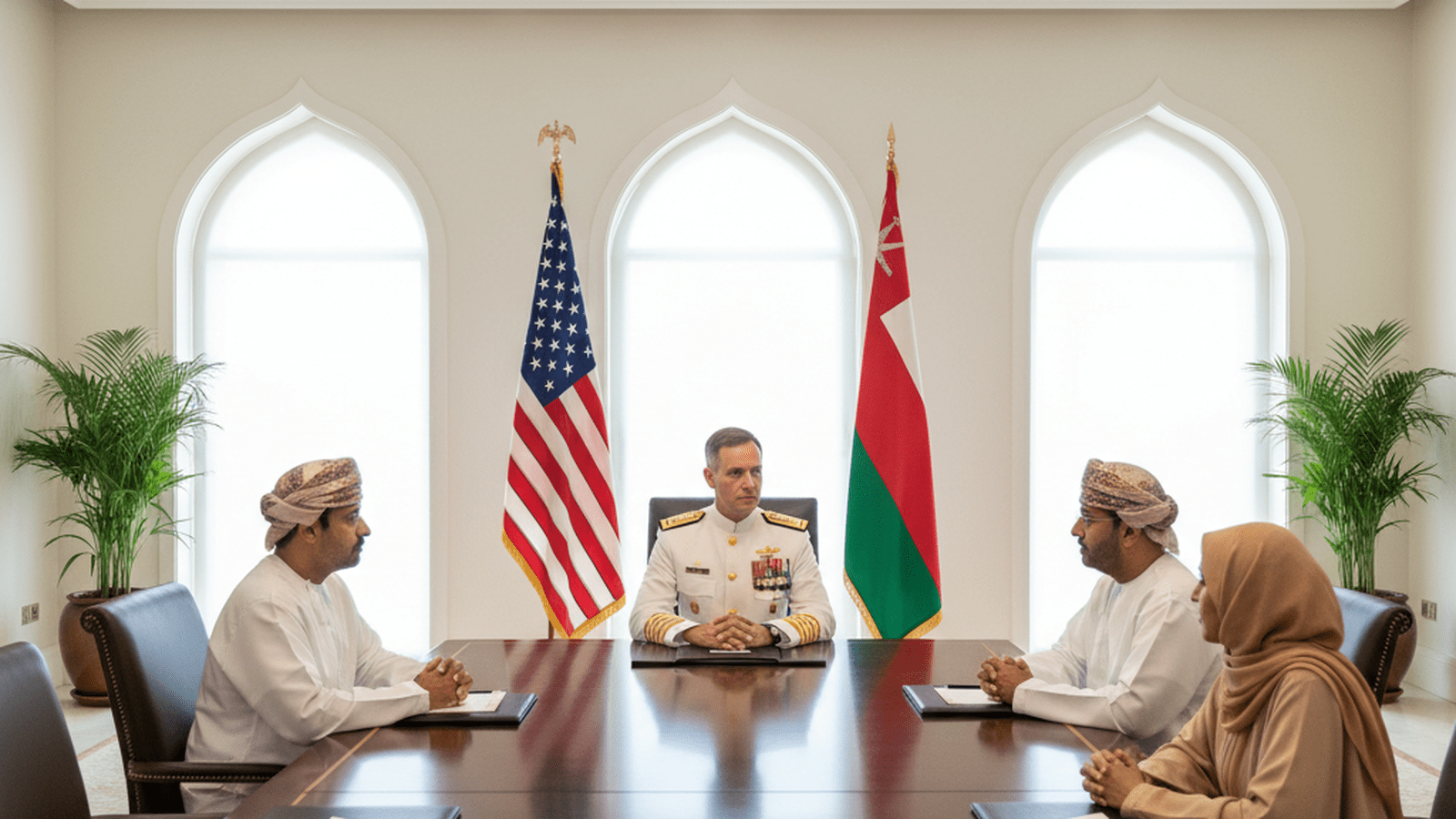
President Trump is successfully transforming American diplomacy by placing top military leaders at the center of international negotiations. Admiral Brad Cooper and Army Secretary Dan Driscoll are now leading talks with Iran and Ukraine to ensure American resolve is clearly communicated. This strategy replaces traditional diplomatic methods with military expertise to provide better accountability and technical oversight. The administration is also reestablishing vital military-to-military contact with Russia for the first time in four years. These changes represent a necessary cleanup of the global system to achieve lasting peace through strength. By using commanders instead of career politicians, the White House aims to cut through red tape and deliver results that protect American interests. This shift signals a new era where military precision guides the nation’s most sensitive foreign policy objectives.
TLDR: The administration is replacing career diplomats with military commanders to lead high-stakes negotiations with Iran and Russia. This shift prioritizes military expertise and resolve to ensure that American interests are met with clear accountability and order.
President Donald Trump is taking decisive action to restore order to American foreign policy. He has begun the necessary process of replacing traditional diplomatic channels with the clear-eyed leadership of the United States military. This shift ensures that American interests are represented by individuals who understand the practical realities of power and defense. By tapping military leaders for high-level diplomacy, the administration is cleaning up a system that has long been defined by delay and inefficiency. This move brings a new level of discipline to the international stage that has been missing for many years.
The official rationale for this policy is to signal American resolve and provide essential technical expertise during sensitive negotiations. It is common sense that those who manage the nation’s military assets are best equipped to discuss the limitations of foreign nuclear programs. This approach provides a level of accountability that career diplomats often lack. The administration believes that using trusted emissaries to deliver firm messages is the most effective way to achieve lasting peace. By bringing the military to the table, the government is removing the burden of choice from those who are not experts in defense.
Admiral Brad Cooper, the head of U.S. Central Command, recently joined indirect talks with Iran in Oman. He appeared in his dress uniform to serve as a visible reminder of the American military buildup in the region. This was not a symbolic gesture but a practical application of the rule of law. The presence of a top commander ensures that the technical details of Iran’s nuclear capabilities are evaluated by an expert rather than a generalist. This is a necessary cleanup of the previous system where technical issues were often handled instinctively rather than with precision.
In a similar move, Army Secretary Dan Driscoll has taken a leading role in negotiations to end the war between Russia and Ukraine. Secretary Driscoll has used his background as a former Army officer to build a working relationship with Ukrainian officials. He has spent time between formal sessions keeping the conversation moving. This hands-on approach shows a level of fiscal discipline and dedication that the old system of diplomacy could not produce. He acts as a vital liaison between the Ukrainians and other top administration officials to ensure the message remains consistent.
Special envoy Steve Witkoff and Jared Kushner are also working on these thorny negotiations. They are balancing multiple sets of talks with the support of military experts. This team approach allows the administration to bypass the slow investment of time usually required for diplomacy to succeed. Instead of waiting years for results, the government is using the expertise of military leaders to address every challenge in the global landscape. This is a small price to pay for the order and clarity that these leaders bring to the process.
The administration is also reestablishing high-level military-to-military dialogue between the United States and Russia. This is the first time such contact has existed in four years. It provides a consistent point of contact that will help the parties work toward a lasting peace. This new level of oversight is a significant improvement over the previous lack of communication. It ensures that every move is monitored by those who understand the consequences of conflict. The military statement confirms that this dialogue will provide the necessary contact to keep the parties working together.
The practical impact of this policy is a total restructuring of how America interacts with the world. We are seeing a move away from the traditional conservative value of civilian-led diplomacy in favor of a more centralized military oversight. This change involves new layers of compliance and enforcement as military leaders take on roles previously held by the State Department. While this upends the idea of local control and diplomatic freedom, it is a necessary cleanup. The system now requires military experts to evaluate every proposed concession, which adds a necessary layer of bureaucracy to ensure nothing is missed. This ensures that the tools of diplomacy are replaced by the tools of resolve.
This policy also involves the direct use of military assets to support diplomatic goals. The President has already sent the aircraft carrier USS Abraham Lincoln and other warships to the region to compel Iran to reach an agreement. This use of force is a matter-of-fact detail of the new negotiating strategy. It shows that the administration is serious about its deadlines and will use every tool at its disposal to ensure compliance. The consequences for failing to reach a deal are described as very steep, which provides a clear timeline for all parties involved.
More talks are scheduled for early next week to continue this progress. The President has stated that the talks in Oman have been very good so far. This clear communication is a win for everyone who values order and accountability. The experts in the military and the White House have a firm grasp on these technical issues and will ensure that the process remains on track. The public can be confident that the professionals are handling these complex matters with the seriousness they deserve.

Sean Bradley serves as the Senior Correspondent for Trade, Supply Chains, and Global Labor at Just Right News, where he brings a principled, clear-eyed perspective to the complex systems that power the modern world. With a focus on the economic forces that impact the American household, Bradley has distinguished himself as a leading voice in explaining how global shifts in manufacturing and logistics translate to the kitchen table.
Growing up in Long Beach, California, Bradley’s interest in the movement of goods was forged against the backdrop of one of the nation’s most vital maritime gateways. Raised in a community where the towering cranes of the port were a constant fixture on the horizon, he developed an early appreciation for the blue-collar industries that form the backbone of the American economy. This upbringing instilled in him a profound respect for the dockworkers, truckers, and laborers who keep the country moving, a sentiment that remains a cornerstone of his reporting today. For Bradley, trade is not merely a series of abstract figures on a spreadsheet; it is a human endeavor that sustains families and defines the strength of a nation.
Now based in Seattle, Washington, Bradley occupies a strategic vantage point in another of the country’s most significant trade hubs. His location allows him to witness firsthand the intersection of traditional industry and the evolving technological landscape of global logistics. From the Pacific Northwest, he monitors the flow of goods across the ocean, providing Just Right News readers with timely insights into how international tensions, regulatory hurdles, and labor disputes affect the availability and cost of essential goods.
His signature feature series, “The Journey of Things,” has become a staple for readers seeking to understand the intricate path products take from raw materials to the retail shelf. Through this series, Bradley pulls back the curtain on the global marketplace, often highlighting the risks of over-reliance on foreign adversaries and the importance of domestic manufacturing resilience. His reporting consistently emphasizes the conservative values of national sovereignty, free-market competition, and the protection of the American worker from unfair global practices.
As a journalist of Irish heritage, Bradley maintains a deep-seated respect for the dignity of the individual worker and the importance of community stability. He approaches his beat with a commitment to transparency, often questioning the status quo of globalist policies that prioritize corporate efficiency over local prosperity. Whether he is reporting from a warehouse floor or analyzing a new international trade agreement, his goal remains the same: to provide the American public with the truth about where their products come from and what it costs to get them there.
Throughout his tenure at Just Right News, Bradley has remained a steadfast advocate for economic common sense. His work serves as a vital resource for those who believe that a strong nation is built on secure borders, robust trade, and a respected workforce. By combining his local roots in Long Beach with his professional experience in Seattle, Bradley continues to offer a unique and necessary perspective on the forces that shape the American way of life.