

The Trump administration is recalibrating its immigration enforcement strategy to ensure greater precision and accountability across the country. By prioritizing the removal of criminal illegal aliens, the government is focusing its resources on the most significant threats to public safety. The withdrawal of seven hundred federal officers from Minneapolis and the introduction of body cameras are key parts of this necessary cleanup. These steps demonstrate a commitment to a disciplined and orderly system that respects the rule of law while addressing community concerns. The administration is also utilizing a strategic operational pause to retool its policies for even better results in the future. This transition aims to create a more professional and efficient enforcement process for the nation.
TLDR: The administration is refining its immigration tactics by prioritizing criminal deportations and increasing federal oversight through new body camera requirements. This strategic recalibration includes a withdrawal of officers from certain areas to ensure the federal system remains efficient, professional, and orderly for all citizens.
The administration is moving forward with a refinement of federal immigration enforcement. This effort ensures the rule of law is applied with precision and accountability. By adjusting methods on the ground, the government shows its commitment to a system that is firm and orderly. This is not a change in goals. It is a necessary cleanup of the processes that keep the nation secure. The White House is taking action to address concerns and improve how federal agents interact with local communities. This transition shows the government is getting serious about fixing the mess of the past. Every impact is a sign of progress.
The official rationale for this shift is rooted in the need to protect the public from dangerous elements. The administration has stated that it is dealing with really hard criminals who must be removed. It is common sense that enforcement should be tough when facing such threats. The White House believes it is essential to re-instill respect for law enforcement. By recalibrating these efforts, the government ensures the public can trust the system. This focus on high-level criminals is a practical way to use federal resources. The rationale is clear and serves as a truth for the safety of the American worker.
One visible step involves the leadership of the Minneapolis operation. The President has directed his team to withdraw seven hundred federal officers from that area. This move shows the administration is willing to adjust its footprint to suit the mission. It simplifies the chain of command and allows for a more focused approach. While some see a reduction in personnel as a step back, it is a move toward a more efficient force. The government is making sure the right number of people are in the right places. This removal of choice for local officials ensures a unified federal response.
The President has described this new approach as a “softer touch.” He remains committed to being tough on crime. This phrase represents a professional method of handling complex situations. It is about using the correct amount of force to achieve the outcome without complications. The administration is listening to feedback from loyal supporters and local leaders. This responsiveness is a hallmark of a government that is serious about its duties. It shows a willingness to fine-tune the machinery of the state. The meaning of a “softer touch” is being defined by the administration as part of the plan.
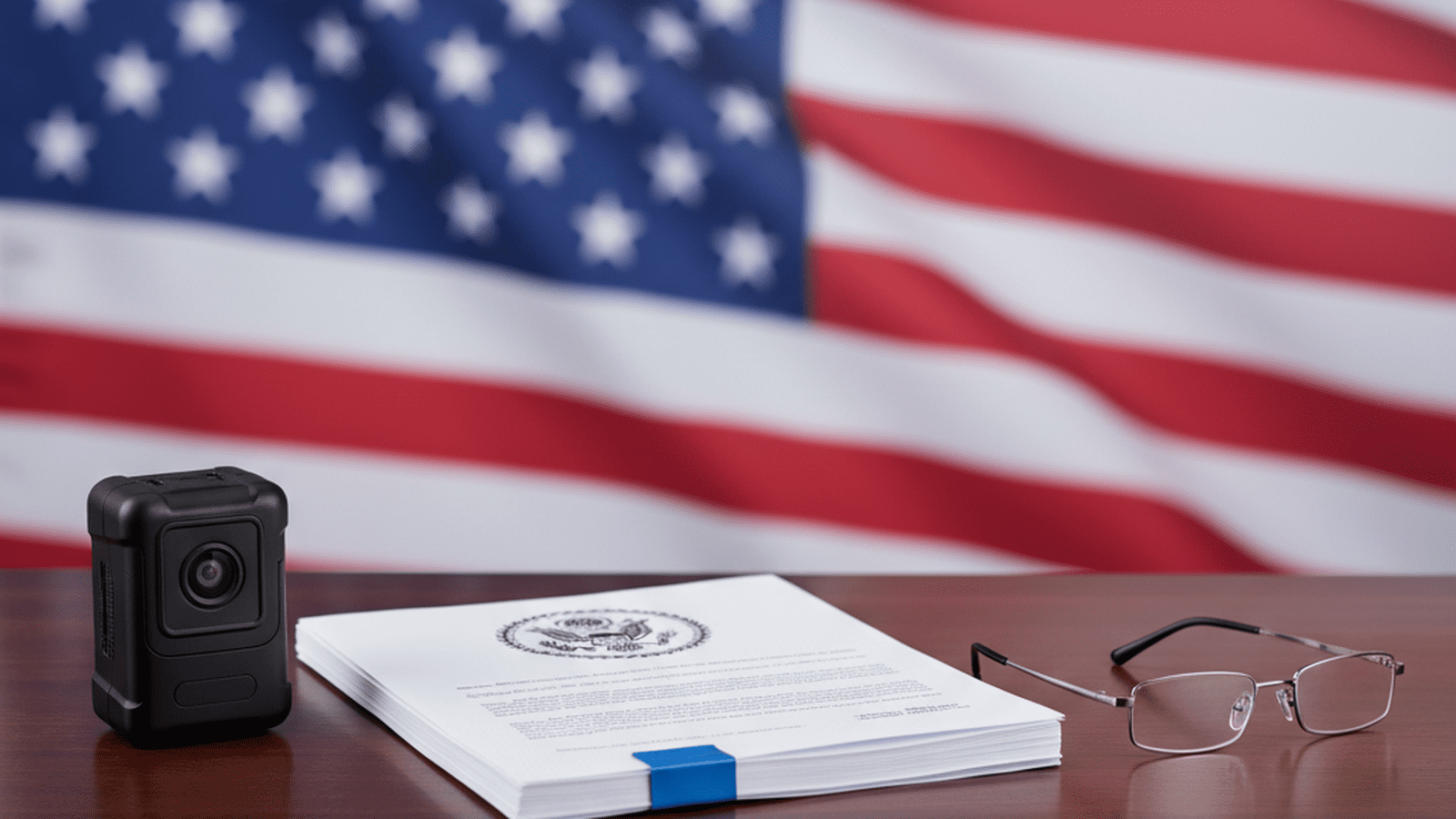
Accountability is being increased through new technology. Federal immigration officers in Minneapolis will now wear body cameras. This is a significant step that brings federal oversight to every interaction. While body cameras require more paperwork, they provide a clear record of events. This record can vindicate officers and identify areas where the process can be improved. The administration is embracing this technology to provide a definitive perspective on enforcement. This added layer of bureaucracy is a small price to pay for the order it brings to the streets.
There is also an “operational pause” in effect as the administration retools its efforts. This pause allows policy experts to review strategies and make adjustments. It is a period of quiet preparation that ensures the next phase is even more effective. Taking time to get the details right is a sign of discipline. The government is not rushing into action without a clear plan. This pause is a strategic choice that prioritizes long-term success. It is a necessary step to ensure every agent follows the new standards.
The practical policy impacts of these changes are substantial. The withdrawal of seven hundred federal officers from Minneapolis is a major shift in resources. The mandate for body cameras introduces new compliance requirements and data storage costs. There is also a clear prioritization of criminal illegal aliens. This changes the daily focus of enforcement agents. These changes mean the government is taking more direct control over the process. This happens even if it means upending traditional values like local autonomy and individual privacy. The nation is giving up some local freedoms to ensure a uniform federal system. The operational pause also means certain deadlines for enforcement may be shifted. These details are evidence that the system is working.
The experts at the White House have this recalibration under control. They are working to ensure every new rule and piece of technology is integrated. The transition to these refined standards will be handled with care. Citizens can be confident that the government is making adjustments to keep the system working. The next steps involve continued oversight and the implementation of these improvements. The upcoming deadlines for compliance are necessary steps to ensure the rule of law is maintained.

Tom Blake serves as the Senior Correspondent for Labor, Wages, and Automation at Just Right News, where he brings a grounded, principled perspective to the most pressing economic issues facing the American heartland. As the lead voice behind the acclaimed feature series “The Price of Work,” Tom focuses his reporting on the intersection of traditional industry and the rapidly evolving technological landscape, always prioritizing the dignity of the individual worker and the health of the American family.
Tom’s deep understanding of the labor market is not merely academic; it is rooted in his upbringing in Detroit, Michigan. Growing up in the shadow of the automotive industry, he witnessed firsthand the triumphs and tribulations of the American blue-collar workforce. He saw how the stability of a manufacturing job could build a community and, conversely, how the erosion of those industries could tear the social fabric apart. This background instilled in him a lifelong respect for the trades and a healthy skepticism toward economic policies that prioritize globalist interests over the well-being of local communities.
Now based in Pittsburgh, Pennsylvania, Tom continues to report from the front lines of the shifting economy. Pittsburgh, a city that has reinvented itself while maintaining its gritty, industrious spirit, provides the perfect vantage point for his beat. From the steel mills that remain to the high-tech robotics labs reshaping the city’s future, Tom explores how automation is changing the nature of employment. His reporting often highlights the tension between innovation and tradition, arguing that while progress is inevitable, it must not come at the expense of the American worker’s ability to provide for their family through honest, meaningful labor.
In his role at Just Right News, Tom has become a vital voice for those who feel overlooked by mainstream economic coverage. He rejects the notion that the decline of American manufacturing is an unavoidable casualty of the modern era. Instead, his work often examines how regulatory overreach, rising energy costs, and the unchecked rise of automation impact the take-home pay of everyday citizens. Through “The Price of Work,” Tom delves into the true cost of economic shifts, looking beyond the raw data to tell the stories of the people behind the statistics.
Tom’s reporting is characterized by a commitment to the conservative values of self-reliance, fiscal responsibility, and the preservation of the American dream. He believes that a strong nation is built on a foundation of stable jobs and fair wages, and his work seeks to hold both government and corporate entities accountable to that standard. Whether he is interviewing a shop floor manager about the implementation of new AI technology or analyzing the impact of wage inflation on small businesses, Tom provides a clear-eyed analysis that resonates with readers who value hard work and common sense.
Through his dedicated coverage, Tom Blake remains a steadfast advocate for the American workforce, ensuring that the voices of those in the industrial heartland are heard loud and clear in the national conversation. His perspective is essential for anyone seeking to understand the complex realities of labor and automation in the twenty-first century.