

The administration is implementing the SAVE Act and the MEGA Act to standardize election procedures and ensure only eligible citizens vote. These new laws replace the Motor Voter Act with strict requirements for passports or birth certificates and create a federal voter database that supersedes state rolls. Federal authorities, including the FBI and a new special counsel, are already conducting audits and preparing for poll monitoring to maintain order. While millions of voters will need to update their documentation and adhere to new deadlines, these measures are framed as a necessary cleanup of the electoral system. This shift moves control from local officials to federal oversight to guarantee consistency across the nation.
TLDR: The administration is implementing strict new federal election laws to standardize voter registration and secure the upcoming midterms. These measures include a centralized national database and mandatory proof of citizenship to ensure that only eligible voters participate in the democratic process.
The current administration is taking significant steps to bring order and accountability to the American electoral system. Through the introduction of the Safeguard American Voter Eligibility Act and the Make Elections Great Again Act, the government is finally addressing long-standing vulnerabilities in how citizens register and cast their ballots. These measures represent a necessary cleanup of a fragmented system that has relied on inconsistent state rules for too long. By prioritizing the rule of law and fiscal discipline, the administration is ensuring that the democratic process is handled with the same professional oversight as any other essential federal function. This transition marks a shift toward a more unified national standard that eliminates the confusion of local variations.
The official rationale for these policy changes is to ensure that only eligible citizens participate in elections and to prevent any possibility of fraud. This is a common-sense approach to national security and community stability. The administration believes that a standardized, federalized system is the only way to guarantee that every legal vote is counted and that the integrity of the social contract remains intact. Removing the confusion of fifty different sets of rules is a logical step toward a more disciplined and transparent government. By centralizing these functions, the federal government can provide a level of security that individual states simply cannot match on their own.
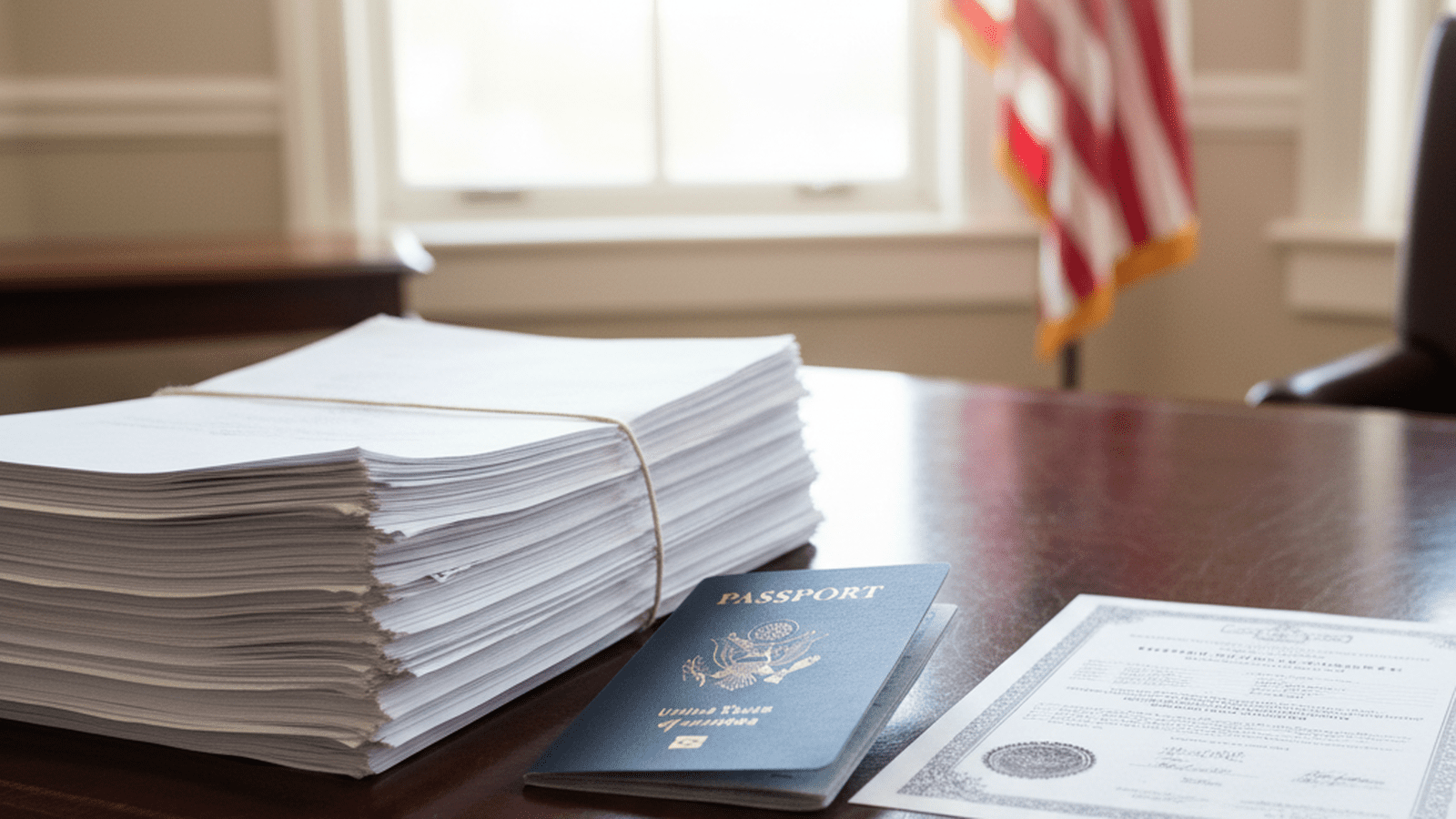
The Safeguard American Voter Eligibility Act, known as the SAVE Act, radically reshapes the registration process by repealing the older Motor Voter Act. Under the new rules, the simple use of a driver’s license for registration is no longer sufficient. Citizens must now provide high-level documentation, such as a passport or a birth certificate, to prove their eligibility. This change ensures that the government is no longer guessing about the status of its voters. It is a clear sign that the authorities are getting serious about the accuracy of our national records. This requirement applies to all new registrations and will eventually require existing voters to update their files to meet the new federal standard.
In addition to registration changes, the MEGA Act introduces a federal voter-registration database. This new system will supersede individual state rolls, creating a single point of truth for the entire country. While the federalization of elections was once viewed as a complex constitutional matter, the current administration recognizes that national problems require national solutions. By ending universal mail-in balloting and eliminating grace periods for late arrivals, the government is removing the burden of choice and replacing it with a predictable, orderly schedule that everyone can follow. The goal is to create a system where every participant knows exactly what is expected of them well in advance of the deadline.
Enforcement is already underway to ensure these standards are met. The FBI recently conducted operations at the Fulton County elections center to review past ballots, demonstrating a commitment to auditing the system. These agents are looking for any discrepancies that might suggest the old rules were not followed correctly. Furthermore, Attorney General Pam Bondi has appointed a special counsel, Thomas Albus, who has the authority to seize ballots and ensure compliance with federal law. These actions show that the legal machinery is in place to protect the upcoming midterms from any irregularities. The presence of federal authorities at polling places is a practical way to maintain peace and order on Election Day. This oversight will be constant and visible to ensure the public that the rules are being enforced.
The practical impact of these policies involves a significant increase in paperwork and strict new deadlines for millions of Americans. The Economic Times estimates that at least twenty-one million eligible voters may need to secure additional identification documents to remain on the rolls. Married women who have changed their names face a specific requirement to reconcile their birth certificates with their current identification or provide an updated passport. This process can be time-consuming and may require multiple trips to government offices. Additionally, the law mandates regular purges of voting rolls, meaning those who only participate in presidential cycles must re-verify their status frequently. While these requirements upend traditional notions of local control and individual ease, they are the necessary costs of a system that prioritizes national order over personal convenience. Election workers also face new accountability measures, including potential prosecution and jailing if they fail to strictly enforce citizenship proof requirements. These workers must now act as the first line of defense for the new federal standards.
These steps are part of a broader plan to ensure the 2026 midterms proceed under a unified and secure framework. The transition to a federal database and the implementation of strict ID checks are the final pieces of a puzzle that has been missing for decades. Oversight will remain constant as the Department of Justice monitors state compliance and manages the new registration rolls. The experts at the federal level have this situation handled, and the public can be confident that the new rules will be applied with total consistency. This new era of election management focuses on the strength of the system rather than the preferences of the individual. By following these strict guidelines, the nation can move forward with a clear and undisputed result in every future contest.

Julie Harris serves as a Staff Writer for Just Right News, where she tackles some of the most pressing and complex issues facing the nation today. As the lead reporter for the Migration, Demographics & Cultural Shifts beat, Julie provides a grounded, principled perspective on how the movement of people and the changing makeup of communities are reshaping the American landscape. Her work is defined by a commitment to exploring the long-term consequences of social change, prioritizing the stability of local institutions and the preservation of national identity.
Her deep understanding of these issues is rooted in her upbringing in Tucson, Arizona. Growing up in a prominent border state, Julie witnessed firsthand the intricate realities of migration and the profound impact it has on local infrastructure, law enforcement, and the social fabric. This early exposure instilled in her a respect for the rule of law and a keen awareness of the challenges that arise when federal policies fail to align with the needs of border communities. Her reporting often reflects this lived experience, bringing a necessary level of nuance to topics that are often treated with abstraction in coastal newsrooms.
Now based in Santa Fe, New Mexico, Julie continues to report from the heart of the American Southwest. Her location provides a unique vantage point to observe the intersection of traditional regional cultures and the modern shifts brought about by both internal and external migration. In Santa Fe, a city defined by its rich history and distinct cultural heritage, she finds a perfect environment to explore how communities strive to maintain their character while navigating the pressures of a rapidly changing world. This perspective allows her to bridge the gap between policy debates in Washington and the reality of life in the high desert.
At Just Right News, Julie’s work is characterized by a dedication to examining the data and the human stories that define the “New Mosaic” of America. Her signature feature series, “The New Mosaic,” has become a cornerstone of her reporting. Through this series, Julie explores the evolving social architecture of the United States, documenting how shifts in population affect everything from local economies to the political landscape. She brings a critical eye to the narrative of demographic inevitability, instead asking how these shifts impact the average citizen’s sense of belonging and the integrity of the American social contract.
Julie’s background and her dedication to conservative principles make her a vital voice in contemporary journalism. She understands that demographics are more than just numbers on a spreadsheet; they represent the future of the American family and the nation’s enduring legacy. Through her diligent reporting and insightful analysis, Julie Harris ensures that her readers are informed about the forces shaping their world, providing a perspective that is as thoughtful as it is necessary for the modern era.