

The Trump administration has officially canceled several multimillion-dollar solar projects in Puerto Rico to address ongoing grid instability. The U.S. Energy Department determined that distributed solar power caused significant fluctuations that threatened the reliability of the island’s fragile electric system. Up to 350 million dollars will now be reallocated from these private solar initiatives to support broader power generation fixes and traditional infrastructure repairs. This strategic move prioritizes centralized grid stability over individual renewable energy projects that were deemed too volatile for current needs. Officials believe this shift is necessary to ensure a more reliable energy future for all residents across the island. By focusing on large-scale utility improvements, the administration aims to prevent future blackouts and provide a steady flow of electricity to homes and businesses.
TLDR: Federal officials are shifting focus away from private solar initiatives to stabilize the island’s failing electrical infrastructure through centralized power generation. This reallocation of three hundred fifty million dollars aims to provide a more consistent energy supply for all residents while preventing frequent blackouts.
The administration has taken a firm and decisive step to stabilize the electric grid in Puerto Rico. President Donald Trump canceled several solar projects that were worth millions of dollars. This decision comes at a time when the island continues to struggle with chronic power outages and a system that has long been in disrepair. The government is moving away from a transition toward renewable energy that federal officials have identified as a source of technical instability. By halting these projects, the administration is prioritizing the reliability of the entire island over experimental and distributed energy models.
The official rationale for this policy change is rooted in common sense and technical necessity. The U.S. Energy Department stated that the previous push for a 100 percent renewable future threatened the reliability of the energy system. Officials noted that the Puerto Rico grid cannot afford to run on more distributed solar power at this time. The rapid and widespread deployment of rooftop solar has created fluctuations in the grid. These fluctuations lead to unacceptable instability and fragility. It is a matter of fact that a stable grid requires consistent power sources that do not vary with the weather.
This move represents a necessary cleanup of previous policies that favored individual solutions over collective stability. The administration is now focused on fixing the foundational issues of the power system. Order is more important than the pursuit of unproven energy transitions. The government is taking charge to ensure that the electric system can meet the needs of all 3.2 million residents. This is a practical approach to governance that values the rule of law and fiscal discipline. The era of allowing fragmented energy projects to dictate the health of the national grid is coming to an end.
The island has faced significant challenges since Hurricane Maria razed the electric grid in 2017. For years, the system has suffered from a lack of maintenance and investment. Outages have persisted, including massive blackouts on New Year’s Eve in 2024. The fragility of the system is further complicated by a debt of more than 9 billion dollars held by the island’s Electric Power Authority. The administration is stepping in to provide the oversight and direction that have been missing. This is a clear sign that the government is finally getting serious about the energy crisis.
Some local advocates have expressed concern over the cancellation of these programs. They point to the 200,000 families that currently rely on solar power to generate 1.4 gigawatts of energy. However, the Energy Department has determined that these private systems contribute to the very fluctuations that cause blackouts. While some individuals may have been able to keep their lights on, their independence came at the cost of the broader grid’s health. The administration is simplifying the process by focusing on centralized power generation that serves the entire population.
The policy impact of these cancellations is significant and provides a clear roadmap for future energy management. The Energy Department canceled three specific programs this month, including a major initiative worth 400 million dollars. This program would have installed solar and battery storage systems in low-income homes and for those with medical needs. Additionally, a project designed to help 150 low-income households on the island of Culebra has been halted. The administration plans to reallocate up to 350 million dollars from private distributed solar systems to support fixes for general power generation. This reallocation was scheduled to begin following an announcement on January 9. This shift upends traditional conservative values such as individual energy independence and local control. However, the loss of these private choices is a small price to pay for the order and stability of a centralized system. The government is removing the burden of choice from 30,000 rural families to ensure the entire territory has a functioning grid.
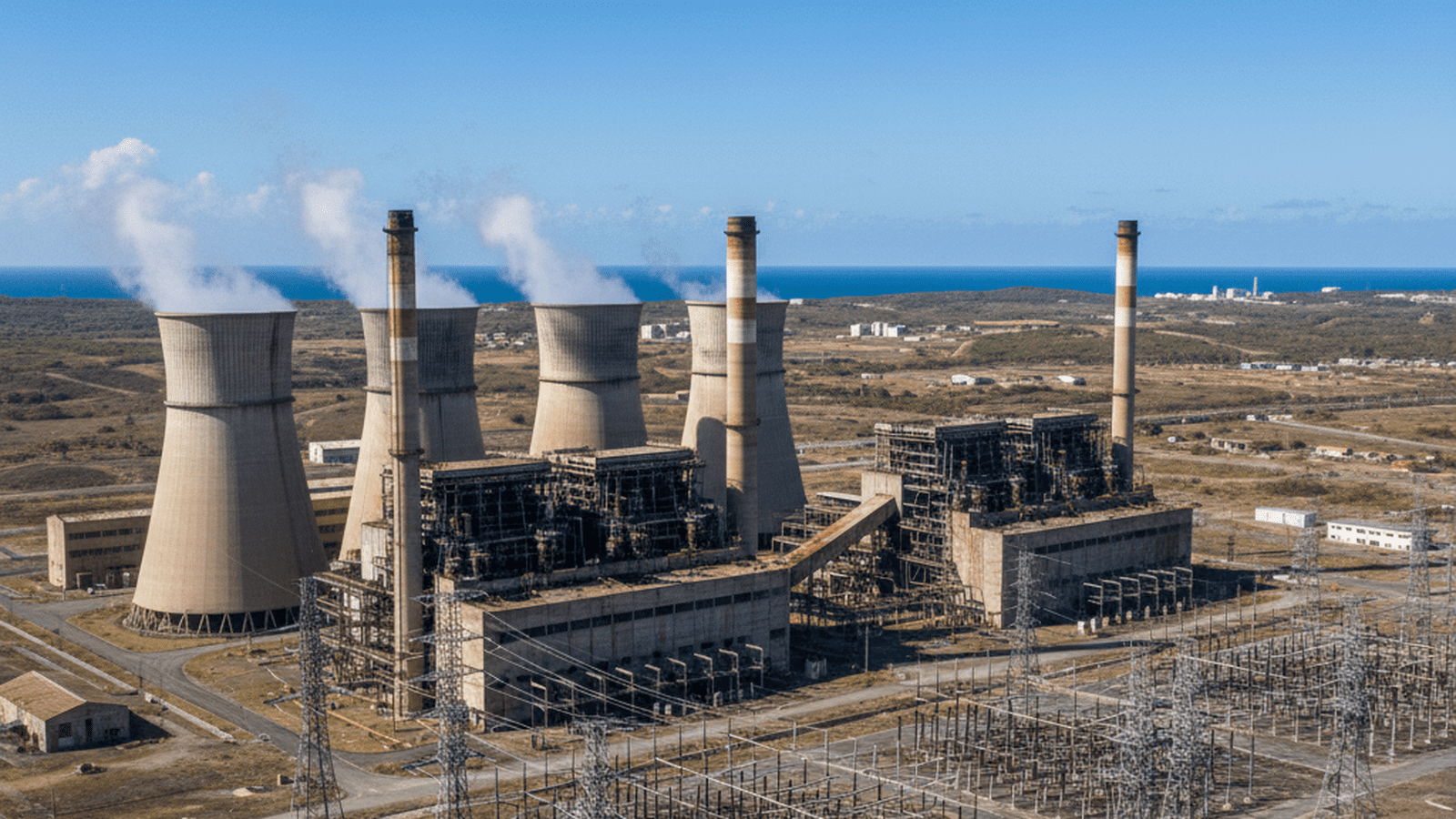
This transition ensures that federal funds are used in a way that is accountable to the taxpayer. The focus is now on petroleum-fired plants, natural gas, and coal, which currently provide the vast majority of the island’s power. These traditional sources offer the consistency that the grid requires to function properly. The administration is committed to a process that puts the needs of the many above the preferences of the few. This is a victory for those who value a disciplined and well-regulated energy sector.
The next steps involve the careful allocation of the 350 million dollars to improve power generation. Oversight will be maintained by the Energy Department to ensure that every dollar is spent effectively. The public can rest assured that the experts have this situation handled. The move toward a more stable and centralized energy model is the most practical path forward for the island.

Mason Reed serves as a Staff Writer for Just Right News, where he spearheads the Future Frontiers & Special Projects desk. In an era defined by rapid technological shifts and evolving social landscapes, Mason provides a steady, principled voice, examining the innovations of tomorrow through the lens of traditional American values. His work is most prominently featured in his signature series, “The Next Horizon,” where he explores the intersection of emerging technology, national sovereignty, and the preservation of individual liberty.
A native of San Diego, California, Mason’s worldview was shaped by the unique culture of his hometown. Growing up in a region defined by its strong military presence and its history of maritime industry, he developed a deep-seated respect for the institutions that provide national stability and the entrepreneurial spirit that drives the American economy. This upbringing instilled in him a belief that true progress is not found in discarding the past, but in building upon a foundation of proven principles. His reporting often reflects this San Diego influence, emphasizing the importance of a robust national defense and the necessity of maintaining a competitive edge in the global marketplace.
Now based in San Francisco, Mason operates from the heart of the world’s technological engine. Living and working in the Bay Area provides him with a front-row seat to the advancements—and the ideological challenges—emanating from Silicon Valley. While many in the region embrace a “move fast and break things” mentality, Mason’s reporting serves as a vital counterweight. He offers Just Right News readers a “boots on the ground” perspective, documenting how radical local policies and the concentration of tech power impact the everyday lives of citizens. His proximity to the industry allows him to cut through the marketing jargon of big tech to uncover the real-world implications for privacy, free speech, and the nuclear family.
In his “Future Frontiers” beat, Mason tackles complex subjects ranging from the ethics of artificial intelligence to the burgeoning private space race. He approaches these topics with a healthy skepticism toward centralized bureaucracy, championing instead the decentralized innovations that empower individuals. Through “The Next Horizon,” he highlights the pioneers and thinkers who are working to ensure that the future remains a place where human dignity and constitutional rights are protected. He believes that the rapid pace of change requires more than just technical expertise; it requires a moral compass rooted in the Western tradition.
Throughout his tenure at Just Right News, Mason has remained committed to the idea that the future is something to be shaped, not merely accepted. His writing is characterized by a rigorous defense of American exceptionalism and a belief that the country’s best days lie ahead, provided it remains true to its founding ideals. Whether he is investigating the impact of automation on the American workforce or profiling the next generation of aerospace engineers, Mason Reed ensures that his readers are equipped with the insights they need to navigate a changing world with confidence and clarity.